Of all the things your dental plan helps pay for, cleanings and checkups are usually the most common. Most plans cover this kind of care because keeping your teeth healthy is good for you and saves money in the long run.
Let’s walk through how to use your benefits in a way that’s best for you.
What preventative care includes
Preventative care is routine care that maintains your oral healthy. It usually includes:
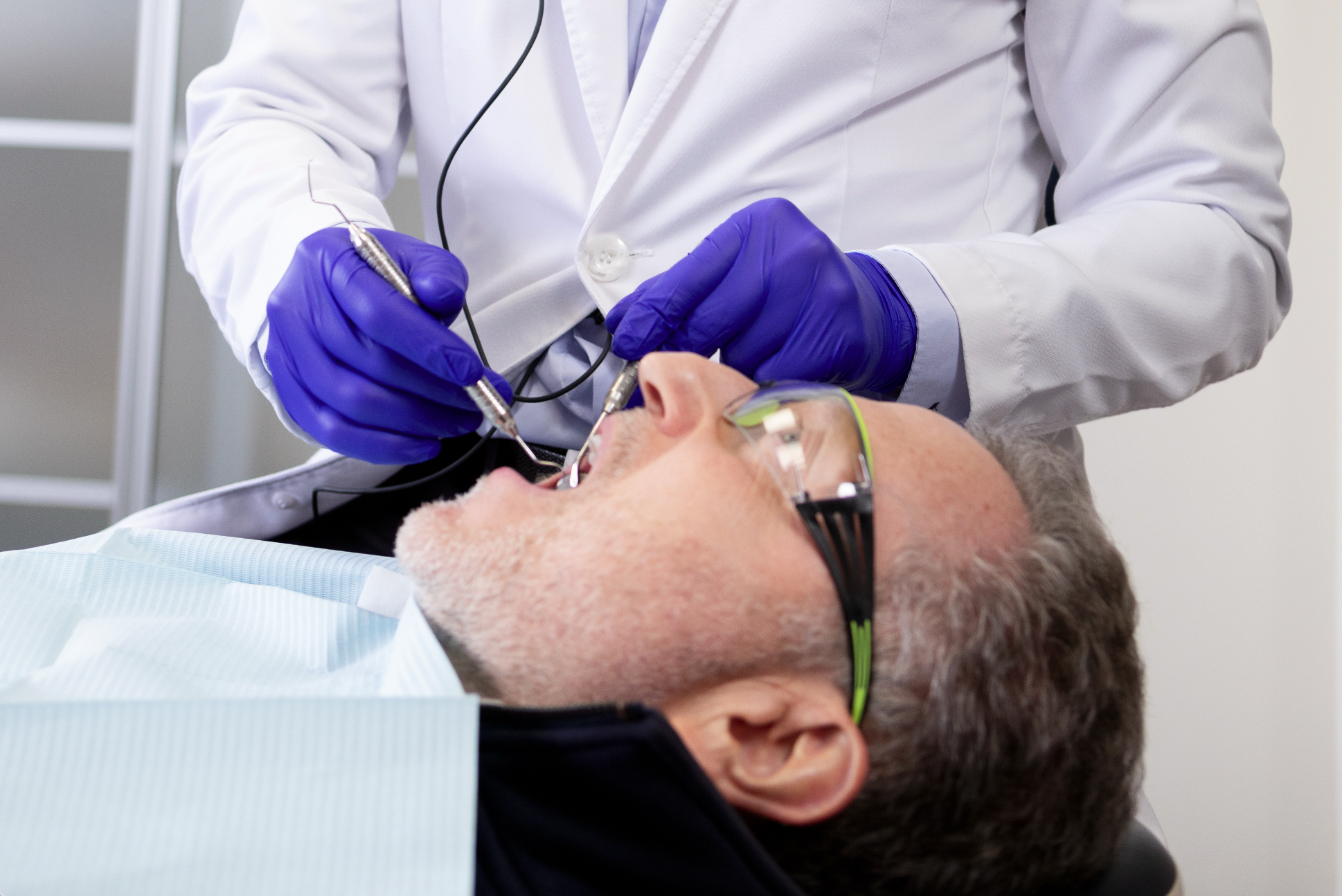
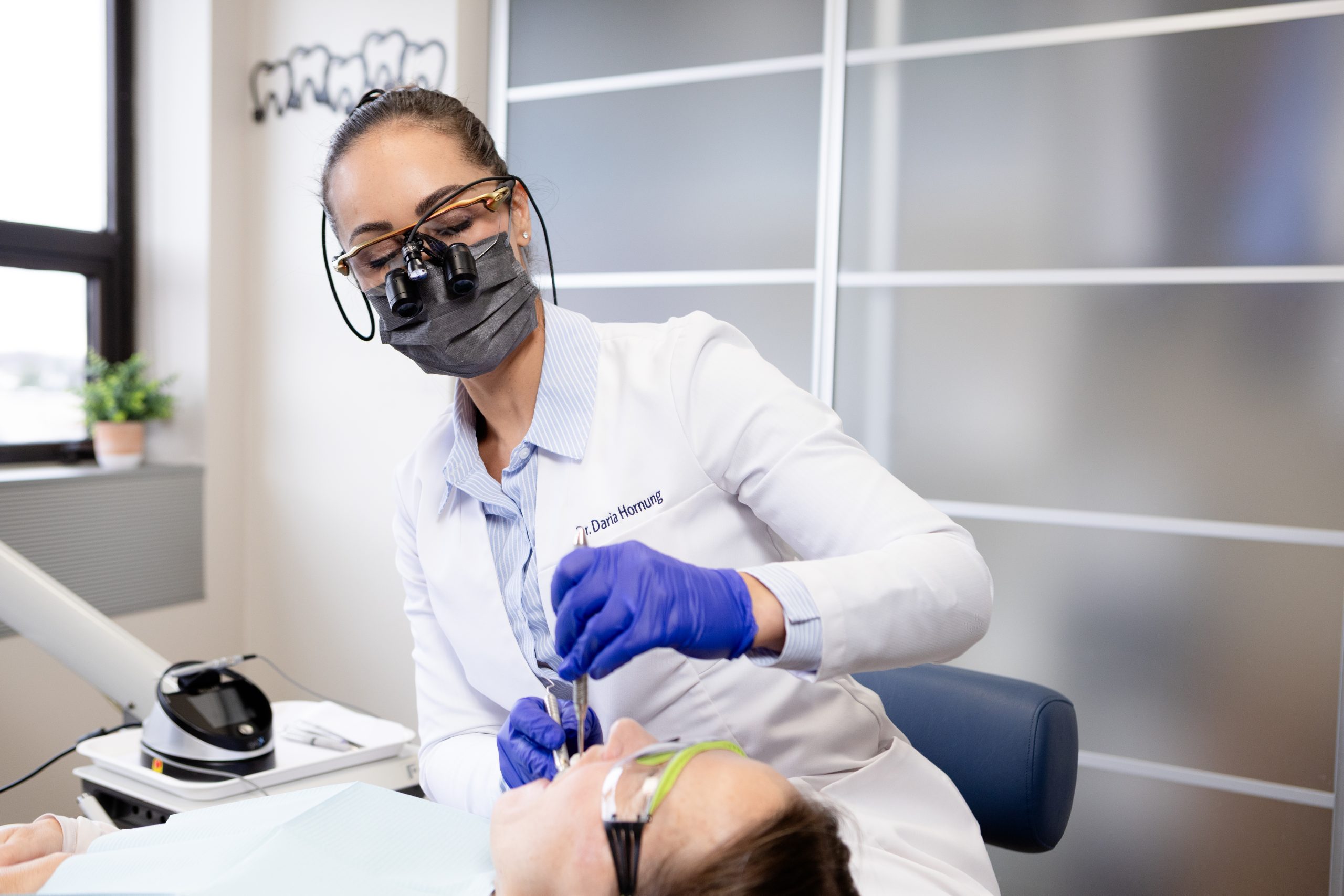
- Checkups, where we look at your teeth and gums
- Cleanings, to remove buildup that brushing at home can’t reach
- X-rays, to see what is happening under the surface
- Fluoride, which strengthens your enamel
- Sealants, at times, to guard against cavities
These regular check-in appointments give your dentist opportunities to monitor your oral health and flag problem areas early. Finding a problem early is often easier and gentler to treat, and often costing less overall. Most insurance plans cover routine cleanings, check-ups, and x-rays.
Where the plan and your health can differ
While your plan covers a set number of visits each year, your health may not follow those patterns.
Some smiles need more than two cleanings a year. If you have a history of gum issues, or you build up tartar quickly, three or four visits a year can keep you healthier. Your plan may cover two, and your gums may need more.
Same with x-rays: if there’s an area that needs monitoring, you may want to keep a closer eye on it with more frequent imaging.
Dental insurance covers some recommended care in full, some in part, and some not at all. The following two most common limitations are helpful to be aware of.
The first is the annual maximum, a cap on what a plan pays in a year. Once reached, the rest of that year’s care is paid out of pocket, even for treatments the plan normally covers.
The second is how a plan defines what it will pay for. Many plans cover a basic version of a treatment and pay their share at that level, even when a stronger material or a longer-lasting option is the better clinical choice.
Insurance coverage and clinical recommendations don’t always line up together. When this happens, talk to your dentist to get a closer look at your options, whether you can phase treatment plans over time, and how to make the best decision for your health even if insurance won’t cover it.
Getting the full value from your benefits
Benefits reset each year. Whatever you do not use is gone when the new year starts, and it does not roll over. You are paying for these benefits, so let’s make them count. A few easy ways to get the most from them:
- Use both of your covered cleanings. Many plans pay for a cleaning every six months, and some count the days closely between those visits.
- Watch your benefit year. If your plan year ends in December, a visit before then uses benefits you already paid for.
- Know your limits before you book. We can help you understand how many visits and x-rays your plan covers.
- Group your covered care in one visit. Your exam, cleaning, x-rays, and fluoride are often covered together, and we can do them in the same appointment.
Your health comes first
While insurance is a helpful tool, remember that your treatments are a medical decision about your health, which comes first. Once you understand how your plan works, you can put it to use in a way that’s best for you.