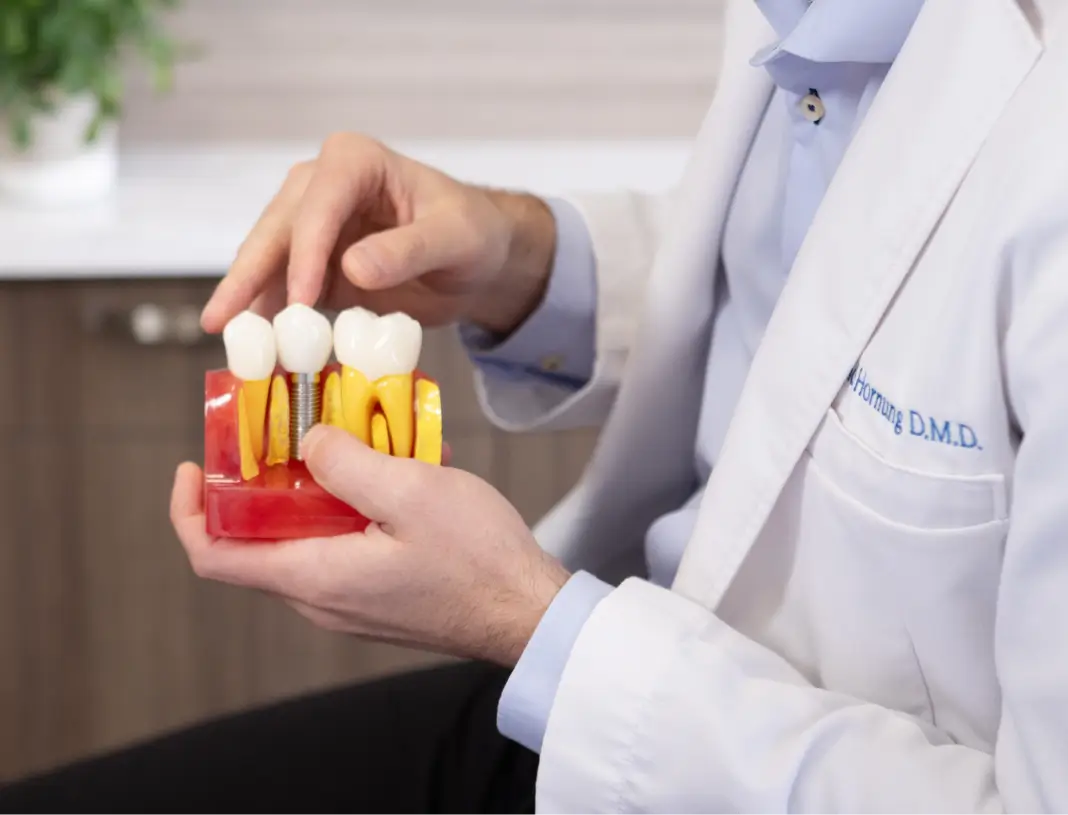
The Gold Standard in Permanent Tooth Replacement
The closest thing to getting your natural teeth back

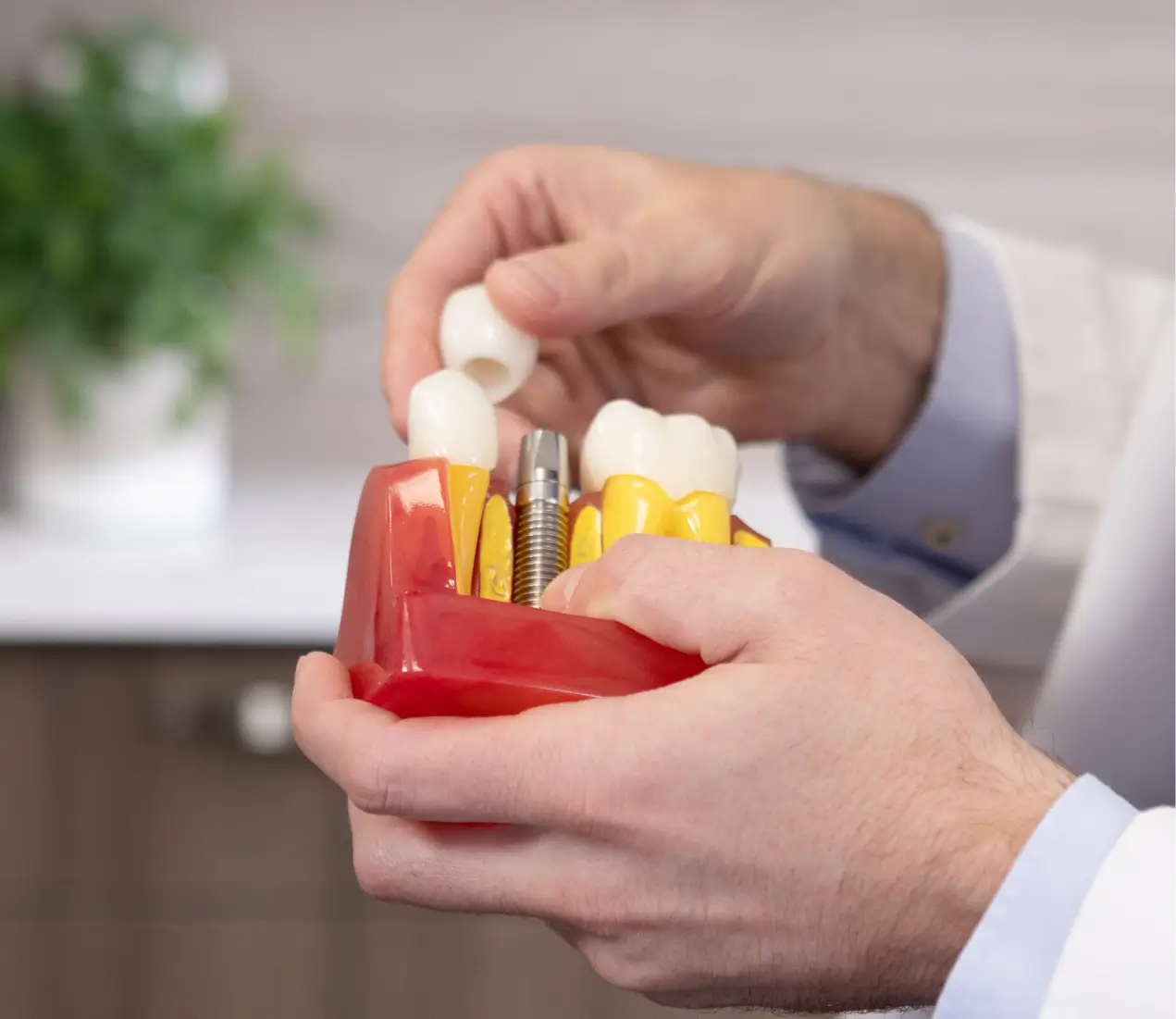
How Dental Implants Work

Endosteal Implant Placement

Healing Period

Completed Smile
Why Patients Choose Dental Implants to restore their smile
Prevent Bone Loss
Restore full chewing function
Prevent teeth from shifting
Set it and forget it

Why D2 Dental for your dental implants
Advanced 3D Planning
Complete Trusted Care
High Quality Materials
What to expect
We’ll explain what the procedure involves, what recovery looks like, and how we manage your comfort throughout, so you feel prepared at every step. Our team monitors your healing and we’re here if you need us between visits. At D2 Dental, our whole team takes care to help everyone feel informed, supported, and at ease.



FAQs
Am I a good candidate for dental implants?
Most adults with good general health and sufficient jawbone density are strong candidates for dental implants. Certain health conditions or habits can affect candidacy, and bone loss in the jaw may require a grafting procedure before placement.
The best way to know where you stand is to come in for a consultation, where we’ll assess your condition and talk through your options. Patients are often surprised to find that implants are more accessible than they assumed.
How long does the implant process take?
The full process typically spans several months because of the healing period required after placement. The implant needs time to integrate fully with the jawbone before the final crown is placed, and that timeline varies by patient.
For younger patients or those with complex situations, we’ll take the time to understand the full picture to plan your treatment process and timeline.
How do dental implants compare to a bridge or dentures?
Dental implants are anchored in the jawbone, which preserves bone structure over time and creates a result that functions like a natural tooth. A bridge is kind of like a floating crown across a gap that’s attached to the teeth on either side, and requires reshaping those neighboring teeth. Dentures are custom-made false teeth that fit over your gums, staying in place through a light natural suction.
Is the implant procedure painful?
Most patients are surprised by how manageable the experience is. The implant placement procedure is performed under local anesthesia, and any discomfort in the days following, like mild soreness and swelling, is typically well-controlled with standard care and often subsidies within a few days.
We’ll walk you through what to expect before, during, and after the procedure so you feel prepared. Patients who come in with anxiety about the process often tell us afterwards that it was easier than they had anticipated.
How long do dental implants last?
With proper care, dental implants can last a lifetime. The crown placed on top may eventually need replacement after many years, but the implant itself, once fully integrated, is remarkably durable.
Which conditions can dental implants help treat?
We will help evaluate if a dental implant is right for you. Below are examples of conditions that can be treated with dental implants:
Simple Examples:
- A single missing tooth
- A tooth lost due to injury or trauma
- A tooth too damaged to save with a crown
Moderate Examples:
- Multiple missing teeth in different areas of the mouth
- Missing teeth that have caused neighboring teeth to shift
- Tooth loss combined with early bone loss in the jaw
Complex Examples:
- Multiple adjacent missing teeth requiring several implants
- Significant jawbone deterioration requiring bone grafting before placement
- Full arch replacement (all-on-4 or similar full-mouth solutions)
- Missing teeth combined with advanced gum disease that needs treatment first
Limitations (may need a different treatment):
- Patients with uncontrolled diabetes or conditions that impair bone healing
- Children and teens whose jaws are still developing
- Heavy smokers (significantly higher risk of implant failure)
- Insufficient bone density without willingness to undergo grafting
- Active, untreated gum disease
This is not a comprehensive list; we invite you to join us for a consultation to discuss your needs to learn if dental implants are right for you.
Still have questions?
Speak with our team
ready to book?