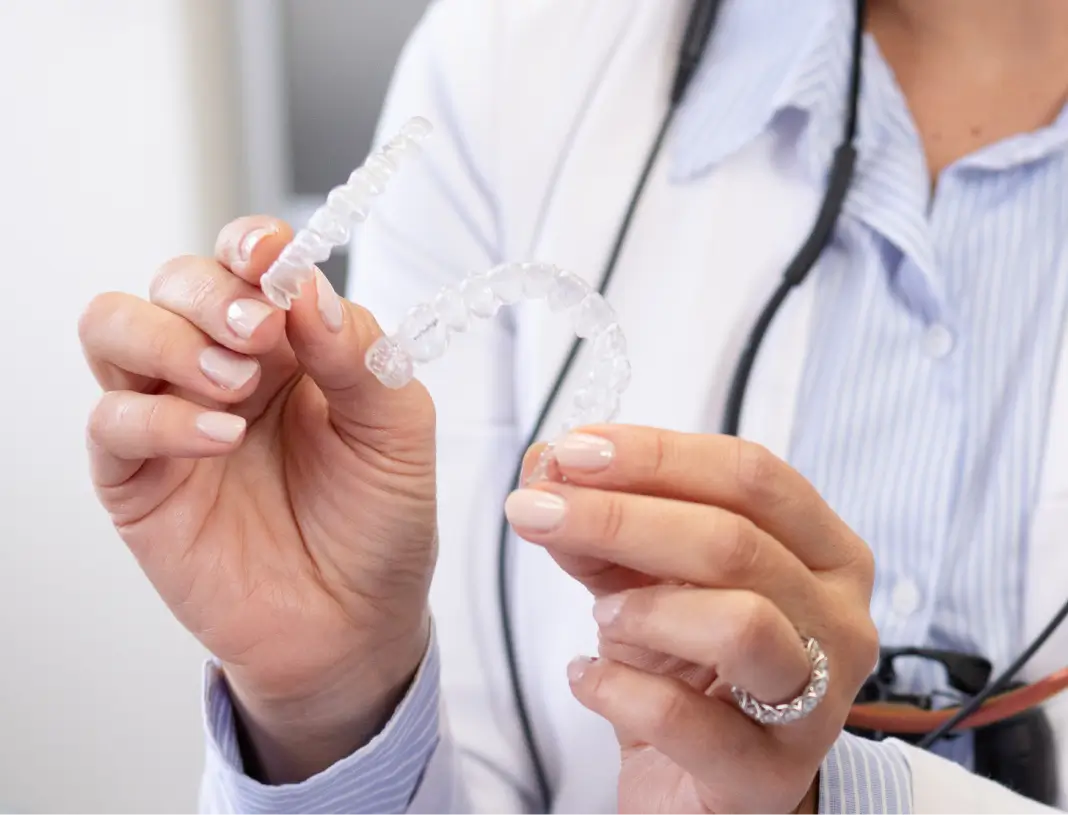
Advanced Invisalign Treatment
For a smile you feel confident about, during and after treatment
Schedule an AppointmentThe world’s most advanced clear aligners
For kids, teens, and adults
How does Invisalign treatment work?

Schedule a consultation visit

Begin wearing your aligners daily

Easily maintain your smile
Why Patients Choose Invisalign to Straighten their Teeth
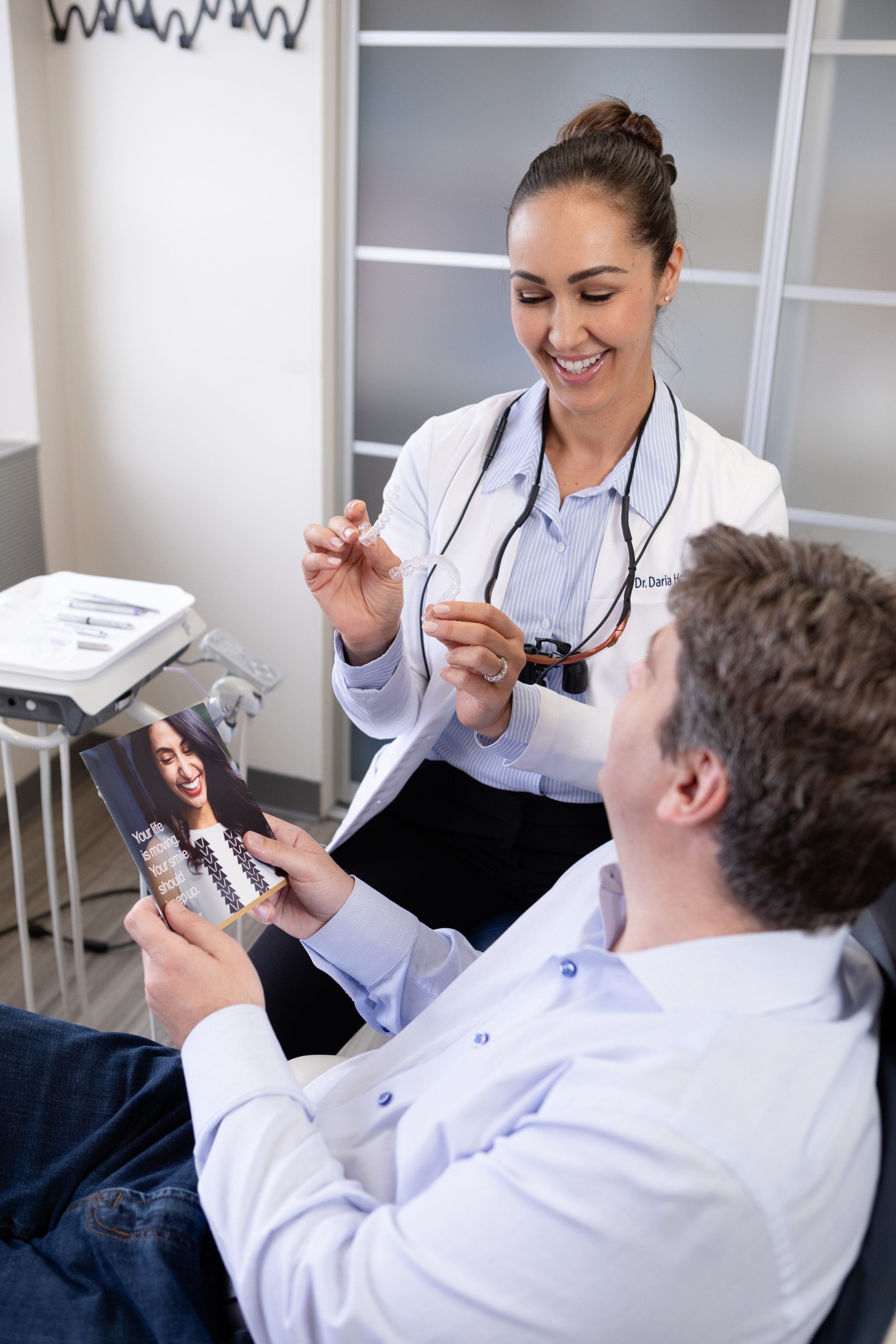
Nearly Invisible
Conveniently Removable
Better Health & Oral Hygiene
Supports small and big shifts

Why D2 Dental for Your Invisalign Treatment
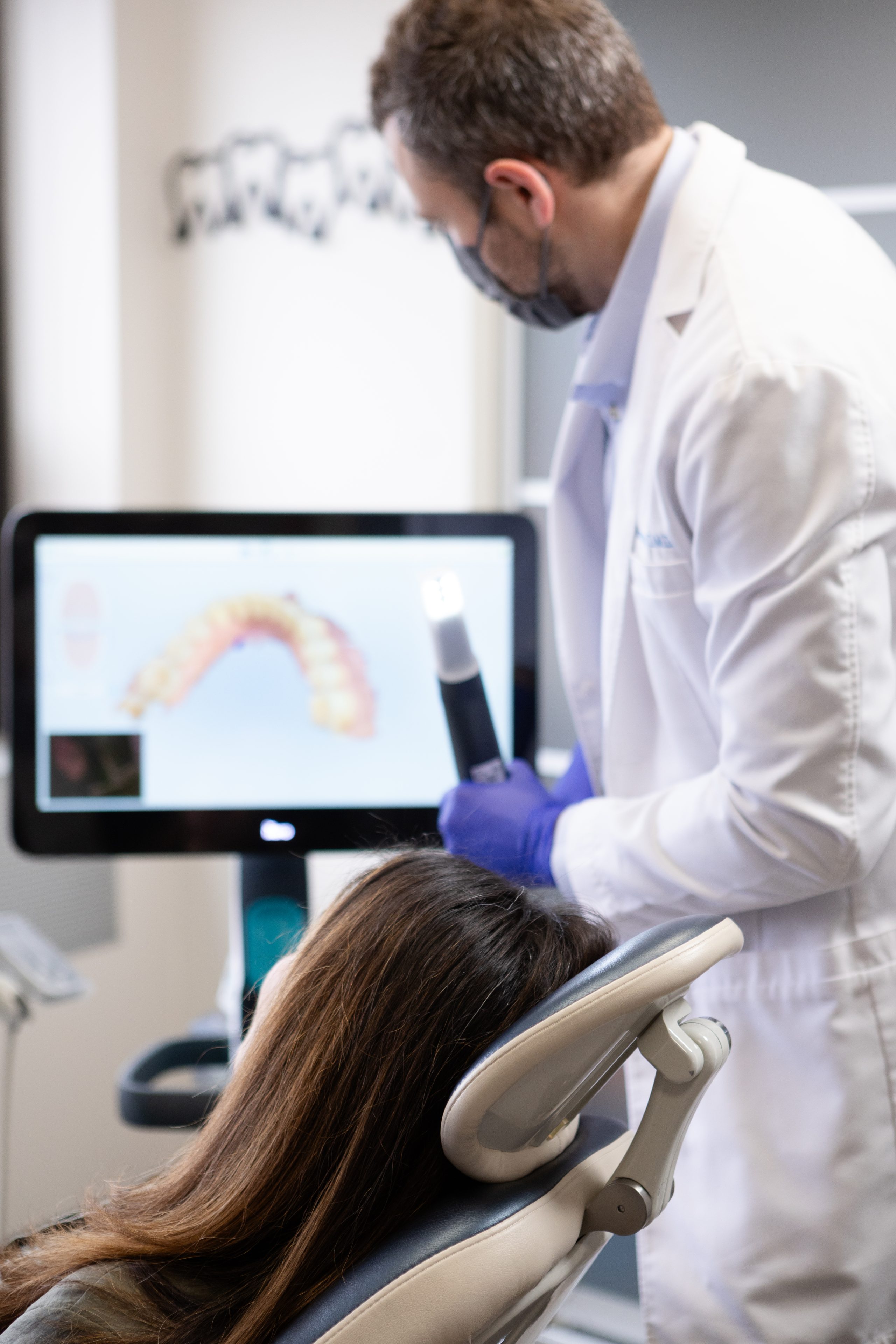
Advanced Precision Scanning Technology
Whole Family Care
Check-ins are included throughout treatment
What to expect
You’ll know what your treatment looks like before we begin, and we will check in with you at every step. For parents, we bring the same level of care and communication to your child’s experience. At D2 Dental, our whole team takes care to help everyone feel informed, supported, and at ease.



FAQs
How long does Invisalign treatment take?
For most kids, teens, and adults, treatment can typically take between 6 and 18 months with daily wear of 20-22 hours on average. Mild adjustments can move faster, and more complex ones may take longer. The duration of treatment will be estimated during your consultation.
To encourage kids and teens to wear them daily, Invisalign aligners include built-in indicators that show how consistently they’re being worn.
Are Invisalign aligners comfortable?
Most patients describe it as pressure rather than pain, especially in the first day or two after switching to a new aligner. That feeling is actually a good sign, and it means your teeth are moving. Most patients find it tends to ease up quickly.
How do I care for my aligners?
The routine is simple: rinse them whenever you take them out, and brush them gently with a soft toothbrush and toothpaste. You may also use Invisalign Cleaning Crystals to conveniently keep them odor-free, hygienic, and clear. It’s important that you brush your teeth after each meal before re-inserting your aligners to maintain good oral hygiene.
What happens after treatment?
Teeth have a natural tendency to shift over time. Once your final aligner has been worn, we will fit you with a custom retainer to reduce the risk of unwanted movement. From there, consistent nightly retainer wear will protect your new smile.
Which conditions can Invisalign help treat?
We will help evaluate if Invisalign is the right fit for you or your child. Below are examples of conditions in kids, teens, or adults that can be treated with clear orthodontics:
Simple Examples:
- Gaps between teeth (diastema)
- Minor crowding
- Slightly crooked or rotated teeth
Moderate Examples:
- Moderate crowding
- Overbite (upper teeth overlapping lower teeth)
- Underbite (lower teeth sitting in front of upper teeth)
- Open bite (top and bottom teeth don’t meet when mouth is closed)
Complex Examples:
- Crossbite (some upper teeth sitting inside lower teeth)
- Multiple overlapping issues (e.g., crowding plus bite correction)
- Cases requiring attachments or elastic bands for additional force
Limitations (may need braces or surgery):
- Severe skeletal jaw misalignment
- Teeth rotated more than 20 degrees
- Significant vertical tooth movement (raising or lowering a tooth)
- Major underbites caused by jaw structure rather than tooth position
This is not a comprehensive list; we invite you to join us for a consultation to discuss your needs to learn if Invisalign is right for you.
Still have questions?
Speak with our team
ready to book?