PREVENTIVE & DEEP DENTAL CLEANINGS

Maintain the foundation of a healthy smile

Schedule an Appointment

Proactive care beyond the surface

Stay ahead of plaque buildup and gum issues
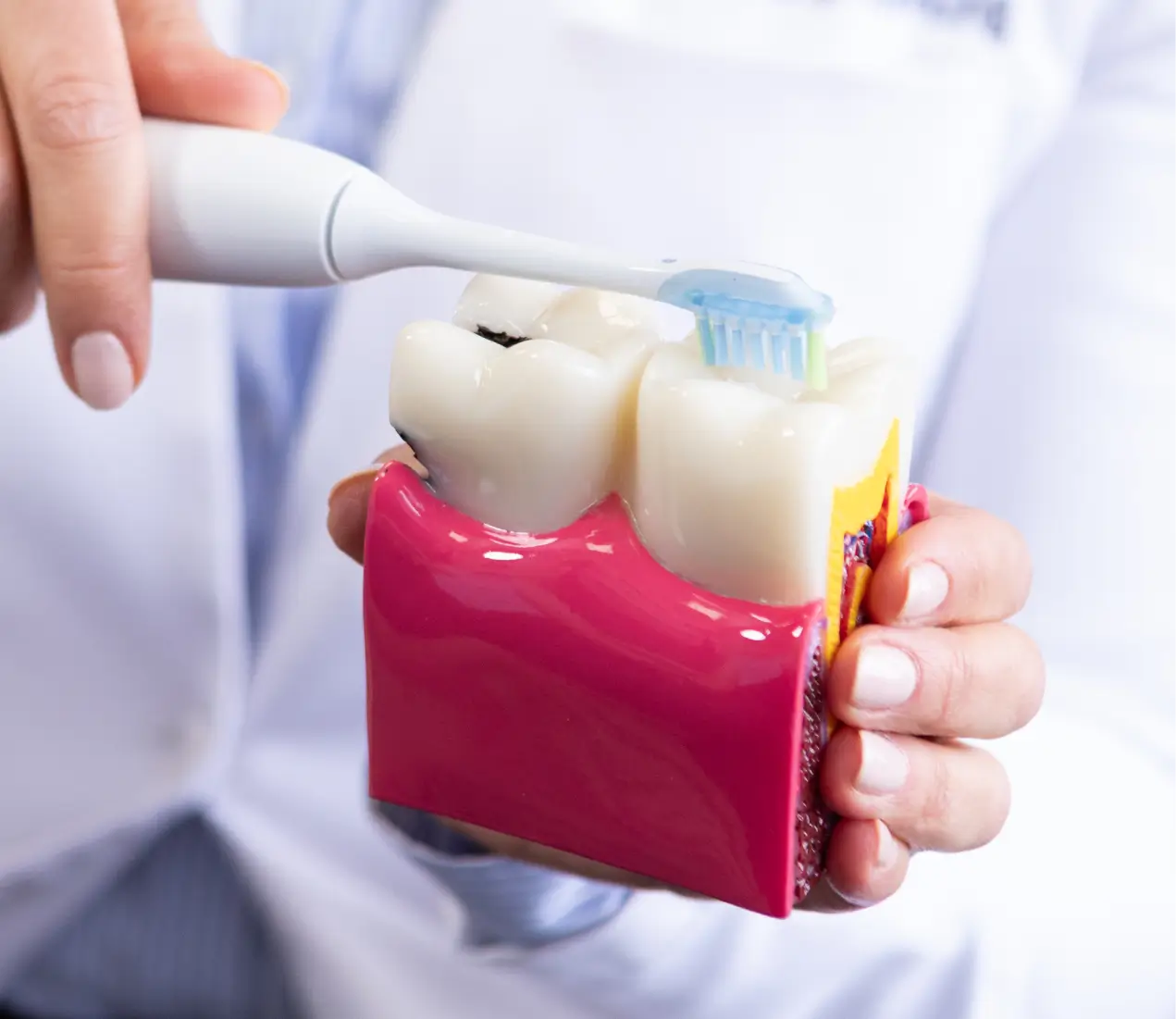
Preventive cleanings maintain healthy teeth and gums, while deep cleanings address buildup below the gumline that regular brushing and flossing can't reach. Regular dental checkups with cleanings should be scheduled at least twice per year.

How Dental Cleaning Works

Dental Check-Up

We begin the appointment with a thorough review of your teeth, gums, and any changes since your last visit, looking for early signs of decay, gum recession, or patterns that need attention.

Surface Cleaning

A prophylaxis cleaning removes plaque, tartar, and surface staining from above the gumline, and we polish your teeth to smooth out areas where bacteria tend to accumulate.

Deep Cleaning

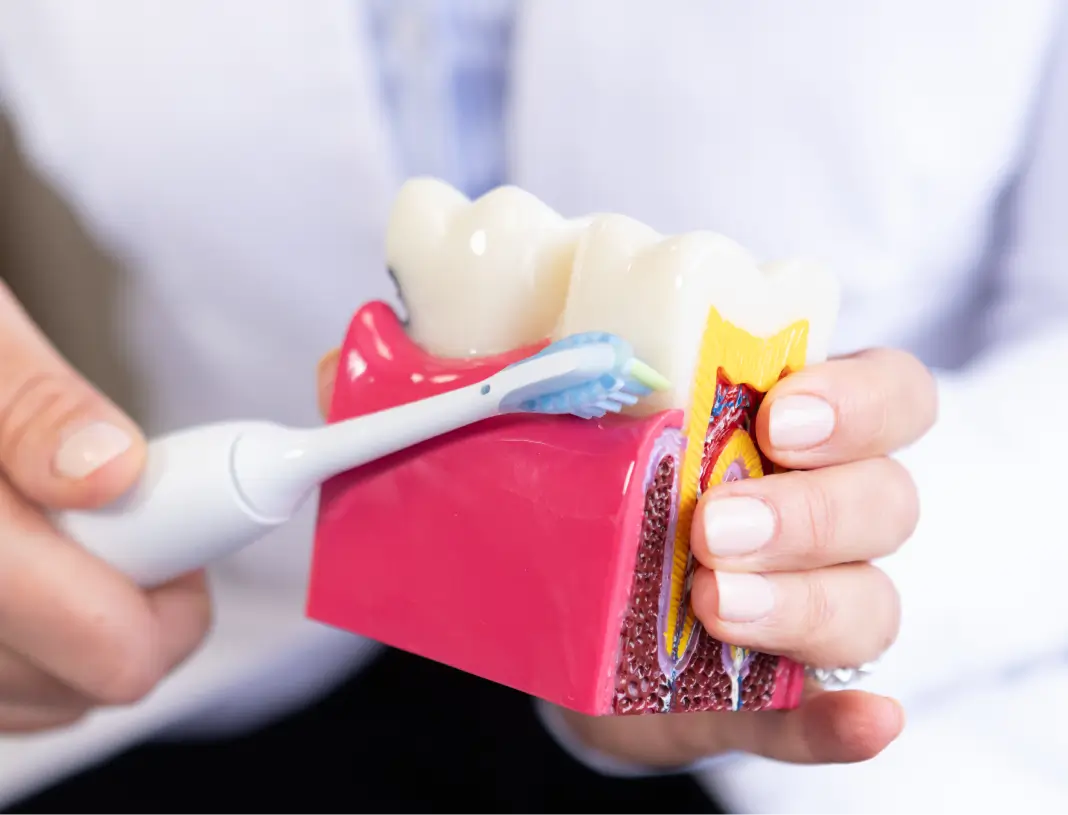
When buildup extends below the gumline, we use scaling and root planing to clear tartar from the root surfaces and help the gum tissue reattach to the tooth.
Schedule an Appointment

Why Patients Choose Preventative & Deep Dental Cleanings
Early Detection

Small cavities and early-stage gum disease often develop without any symptoms. Regular teeth checkups help catch these issues early while they're simpler to treat.

Tartar Removal

Tartar is hardened bacteria. Even with consistent brushing and flossing, tartar builds up in areas that are hard to reach at home. It can lead to gum inflammation, recession, and bone loss around the teeth.

Gum Health

Healthy gums are tight against the tooth to keep bacteria out. When deep pockets develop, you may be at risk of inflammation, early recession, or changes in the bone.

A Cleaner, Fresher Mouth

We remove buildup and staining so your daily brushing and flossing routine at home is more effective between visits.

Early Detection

Small cavities and early-stage gum disease often develop without any symptoms. Regular teeth checkups help catch these issues early while they're simpler to treat.

Tartar Removal

Tartar is hardened bacteria. Even with consistent brushing and flossing, tartar builds up in areas that are hard to reach at home. It can lead to gum inflammation, recession, and bone loss around the teeth.

Gum Health

Healthy gums are tight against the tooth to keep bacteria out. When deep pockets develop, you may be at risk of inflammation, early recession, or changes in the bone.

A Cleaner, Fresher Mouth

We remove buildup and staining so your daily brushing and flossing routine at home is more effective between visits.

Why D2 Dental for Preventative & Deep Dental Cleanings

High-Quality Equipment and Products

We use advanced instruments, including ultrasonic scalers for efficient tartar removal and precision hand tools for detailed work below the gumline, along with high quality polishing pastes and fluoride treatments.

Digital Charting

We digitally record your gum measurements, x-rays, and clinical findings, building a detailed history over time that can be monitored for changes and trends, and helps us make more informed decisions about your care.

The Whole Family Care

We see patients of all ages, so your family's dental health can be managed by one team. Having a complete picture of your family’s dental history helps to spot hereditary and common patterns.

What to expect

We want to make your appointment as comfortable as we can. When you come in for your appointment, please let us know if you have sensitive teeth, sore gums, or anything that’s made you uncomfortable in the past. We’ll check in with you throughout your cleaning and adjust our approach where needed.

Book your consultation

Happy Smiles

4.9 average rating

“I think I found my dentist for life. D2 Dental is a very pristine office with new equipment. Cozy, home-like waiting room, friendly front desk. Doctors are skilled, honest and welcoming.”

Victoria R.
Review on Google

“This staff is wonderful. Front desk was very helpful to me with questions I had. Also the dentist was very nice and very informative about what I need.”

Jesus T.
Review on Google

“My appointment was super quick! Everyone in the office is so kind :)”

Sabrina N.
Review on Google

“I’ve been coming here for a while for cleanings, wisdom tooth consultation, and for Invisalign.They recently helped when my brother was having a tooth emergency. I can’t recommend them enough!!”

Justine J.
Review on Google

“Professional, Organized, prompt and efficient patient care by all staff and Dr David Hornung. Thank you for always going above and beyond.”

Kathryn F.
Review on Google

“The team is so much fun and they’ve created such a professional but lighthearted environment that you leave in such a good headspace. They’re incredibly thorough and attentive to any work that needs to be done.”

Alexa Q.
Review on Google

“Amazing with from Dr. Dave and Dr. Daria for replacing a crown that broke. Even though I was not a current patient there, Dr. Dave made room in his schedule to have me come in immediately, put a temporary crown on it, and then Dr. Daria was extremely thorough in putting in the new crown. It was a perfect color match, and feels so comfortable.”

Andrea F.
Review on Google

“I do NOT like dentists but this office has been wonderful. My initial consultation and cleaning were great and I felt extremely comfortable.”

Caitlin M.
Review on Google

“Hands down the best dental cleaning I’ve ever had in my life! 10/10 They really do know how to make you smile :)”

Ashley J.
Review on Google

“I normally have a lot of anxiety going to the dentist. I feel relaxed and comfortable at D2 Dental. They truly do an amazing job.”

Roberta S.
Review on Google
View all reviews

FAQs

How often should I come in for a preventative dental cleaning?

We recommend every six months for most patients. If you have gum disease or a history of heavy tartar buildup, we may recommend more frequent visits to stay ahead of it.

What is the difference between a regular cleaning and deep cleaning teeth treatment?

A regular cleaning (prophylaxis) removes plaque, tartar, and staining from above the gumline. A deep cleaning (scaling and root planing) goes below the gumline to clear tartar from the root surfaces and help the gum tissue heal and reattach. We’ll recommend whichever one your mouth needs based on your exam and gum measurements.

Will a deep cleaning hurt?

 We use local anesthesia to numb the areas being treated, so most patients are comfortable throughout the procedure. Some mild soreness afterward is common and typically resolves within a few hours to a day or two.

What if it's been a while since my last cleaning?

You are most welcome to come in! We’d love to see you. We’ll start with an evaluation to let you know how your teeth and gums are doing, give you a fresh cleaning, and give you some pointers on what you can do to support your oral health. Most patients leave that first-cleaning-in-a-while appointment feeling relieved that they came in and ready to schedule regular cleanings going forward.

Will you be gentle if I have sensitive teeth or gums?

Of course. Let us know your areas of sensitivity before we start and we’ll adjust our instruments, pressure, and pace as needed. We’ll check in with you throughout the cleaning to make sure you’re comfortable.

Which conditions can preventative or deep cleanings help treat?

We will help evaluate whether a preventative or deep cleaning is right for you. Below are examples of conditions that may be treated with a preventative or deep cleaning:

Simple:

  • Surface staining from coffee, tea, wine, or tobacco
  • Mild plaque buildup along the gumline
  • Early tartar formation in hard-to-reach areas

Moderate:

  • Gingivitis (early-stage gum inflammation)
  • Moderate tartar buildup above and below the gumline
  • Bleeding gums during brushing or flossing
  • Persistent bad breath caused by bacterial buildup

Complex:

  • Periodontitis (advanced gum disease with pocket deepening)
  • Tartar deposits on root surfaces below the gumline
  • Early bone loss around the teeth
  • Gum recession caused by chronic inflammation

Limitations (may need additional treatment):

  • Advanced periodontitis with significant bone loss (may require surgical intervention)
  • Gum recession that has progressed to the point of tooth mobility
  • Abscesses or infections below the gumline
  • Cavities or decay discovered during the cleaning (requires restorative work)
  • Teeth that are too compromised to benefit from cleaning alone (may need restoration or other treatments)

This is not a comprehensive list; we invite you to join us for a consultation to discuss your dental cleaning needs. 

Still have questions?

Speak with our team
ready to book?
Schedule your appointment online using the link below or send us a message if you still have questions. We’re happy to help.